Teacher’s Professional Development

བོད་ཡིག་ཚོགས་ཆུང་གི་དགེ་རྒན་ཆེད་ལས་སྙན་ཐོ།

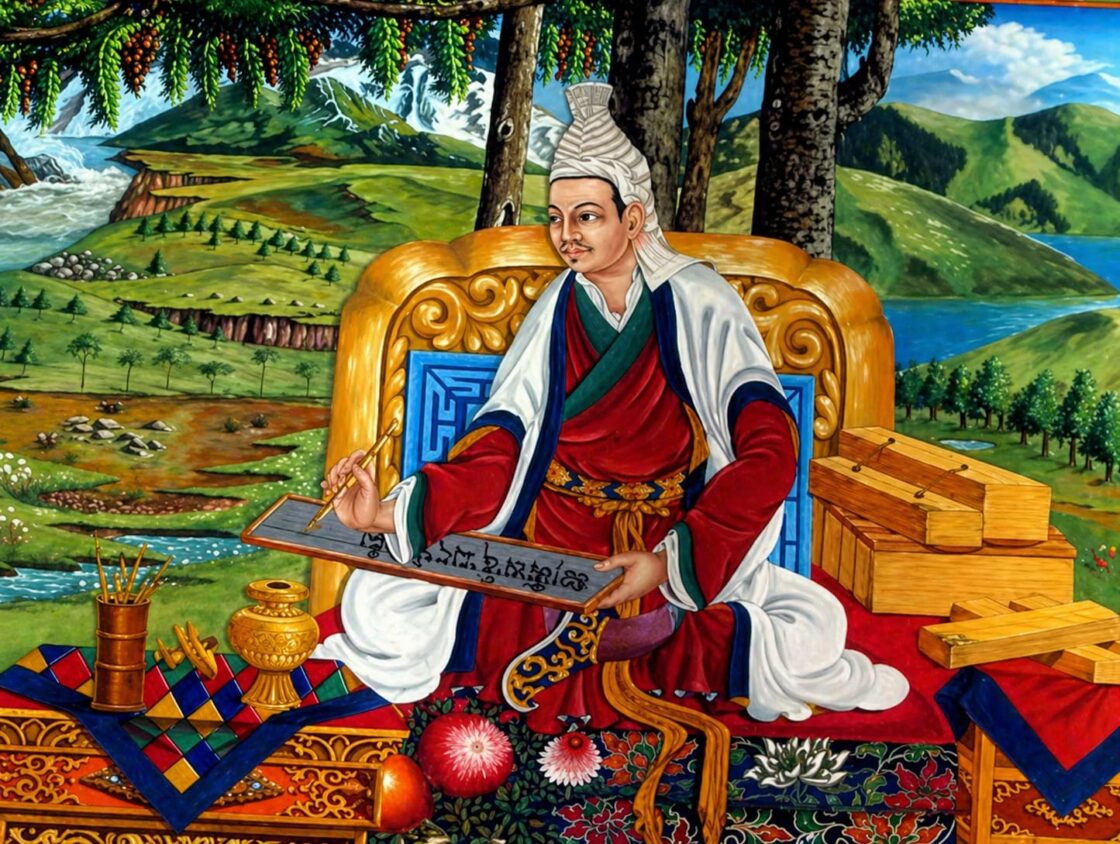
  ༄༅། །ཕྱི་ལོ་ ༢༠༢༥ ལོའི་བོད་ཡིག་ཚོགས་ཆུང་གི་དགེ་རྒན་ཆེད་ལས་སྙན་ཐོ། བརྗོད་གཞི།  ༸རྒྱལ་བའི་མཛད་རྣམ་དཔེ་ཀློག དཔེ་དེབ།  ༸རྒྱལ་བའི་མཛད་རྣམ་སྙིང་བསྡུས། མཛད་པ་པོ།  རྣམ་སྤེལ་ཚང་སྐུ་ངོ་བློ་བཟང་སྦྱིན་པ། ཀ༽ དམིགས་ཡུལ།

  • ཐོག་མའི་དམིགས་ཡུལ་ནི་འདི་ལོ་༸རྒྱལ་བའི་སྐུ་ཡི་གོ་སྟོན་བྱམས་བརྩེའི་ལོ་དང་སྟབས་བསྟུན་ནས་༸རྒྱལ་བའི་གསང་བ་གསུམ་གྱི་མཛད་འཕྲིན་ཐ་དག་ཤེས་པའི་ཐོག་ནས་དད་གུས་དང་སྦྲགས་བཀའ་བཞིན་སྒྲུབ་པའི་མཆོད་པ་སྒྲུབ་ཐབས་ལ་འབད་བརྩོན་ཡོང་བ་ཞིག་བྱུང་ཆེད་དུ་ཁོང་གི་མཛད་པ་རྣམ་ཐར་ལ་རྒྱུས་ལོན་སྦྱང་བརྩོན་འབད་བརྩོན་བྱ་རྒྱུ་བྱས་པ་ཡིན།
  • དེ་བཞིན་སློབ་མ་རྣམས་ལ་༸རྒྱལ་བའི་མཛད་རྣམ་ངོ་སྤྲོད་ལམ་སྟོན་ཞུ་ཆེད་དང་ཐོག་རང་ཉིད་ཀྱི་ཆེད་ལས་དང་འབྲེལ་བའི་༸རྒྱལ་བའི་མཛད་པ་ཆེ་ཕྲ་ཆུང་གསུམ་ལ་ཅི་ལྕོགས་ཤེས་རྟོགས་ཡོང་དགོས་པ་གནད་དུ་བརྩིས་པ་ཡིན།

ཁ༽ ཚོགས་ཐུན་གནང་སྒོ།

  • སློབ་གླིང་འདི་གའི་ནང་གི་སློབ་ཐུན་འགྲོ་ལུགས་གཞི་བཞག་གི་ལས་ཉིན་དང་པོའི་ཚོགས་ཐེངས་ལྔ་པ་དེ་བཞིན་བོད་ཡིག་ཚོགས་ཆུང་གི་དགེ་རྒན་ཁྱད་ལས་ཀྱི་ཚོགས་ཐེངས་ལ་གཏན་འབེབས་བྱུང་བ་བཞིན་དེ་ལུགས་ཞུ་ཡི་ཡོད།
  • བོད་ཡིག་ཚོགས་ཆུང་གི་དགེ་རྒན་ཁྱད་ལས་ཚོགས་ཐེངས་གི་དུས་ཚོད་དེ་བཞིན་གོང་དུ་ཞུས་པ་བཞིན་༸རྒྱལ་བའི་མཛད་རྣམ་དཔེ་ཀློག་ཞུས་པ་གོ་བསྡུར་ཞུ་ཡ་དང་འཚམ་རེ་ཚོགས་ཐེངས་དེ་བཞིན་དགེ་རྒན་སོ་སོ་ངོས་ནས་དཔེ་ཀློག་ཞུ་ཡ་ཡི་ཆེད་དུ་གཏང་བ་ཡིན།
  • དེ་བཞིན་འཚམས་རེ་བོད་དགེ་ནང་ཁུལ་ཁྱད་ལས་དང་འབྲེལ་བའི་གནད་དོན་སྐོར་ལ་ཡང་དུས་ཚོད་གཏོང་ཐབས་ཞུ་ཡི་ཡོད།

ག༽ དཔེ་དེབ།

  • ༸རྒྱལ་བའི་མཛད་རྣམ་དཔེ་ཀློག་ཆེད་དཔེ་དེབ་འདིར་ཁྱོན་བསྡོམས་བརྗོད་གཞི་ཚན་པ་ ༧༩ ཡོད་ཅིང་། ང་ཚོ་བོད་ཡིག་ཚོགས་ཆུང་ངོས་ནས་བརྗོད་གཞི་ཁག་དཔེ་ཀློག་བརྒྱུད་༸རྒྱལ་བའི་གསང་གསུམ་ཐུན་མོང་དང་ཐུན་མོང་མ་ཡིན་པའི་མཛད་པ་ཁག་ལ་ཤེས་རྟོགས་རྒྱུས་ལོན་བྱས་པ་ཡིན།
  • ༸རྒྱལ་བའི་མཛད་པ་ཁག་ལས་ཆུང་དུས་ཀྱི་དམིགས་གསལ་ཅན་གྱི་མཛད་པ་དམིགས་གསལ་ཅན་མང་དག་ཅིག་འདུག་པས་དེ་དག་ལ་རྒྱུས་ལོན་དང་། ཕན་ཚུན་མཉམ་སྤྱོད། བརྒྱུད་སྤྲོད་སོགས་ཞུས་པ་ཡིན།

མདོར་ན། འདི་ལོ་༸རྒྱལ་བའི་སྐུའི་གོ་སྟོན་སྲུང་བརྩི་དང་སྦྲགས། ང་ཚོ་བོད་ཡིག་ཚོགས་ཆུང་ནས་གོང་ཞུས་༸རྒྱལ་བའི་མཛད་རྣམ་དཔེ་དེབ་དེ་བཞིན་དཔེ་ཀློག་བརྒྱུད་རང་ཉིད་ལ་ཤེས་བྱ་ཐོབ་ཐབས་དང་། དེས་སློབ་ཕྲུག་ཚོ་ལ་བརྒྱུད་སྤྲོད་ཚད་ལྡན་ཡོང་ཐབས་ལ་ཁྱད་ལས་གོང་མཐོར་ལ་འབད་བརྩོན་ཞུས་པ་ཡིན། བོད་ཡིག་ཚོགས་ཆུང་གི་ཚོགས་གཙོ་སྲིད་གཅོད་ཚེ་འཕེལ་ནས་ཟླ་ ༡༢ ཚེས་ ༢༥ ཉིན་དགེ་བར་ ཕུལ།

Teachers Professional Development (English Dept 2025)

Teacher Professional Development (TPD) Annual Report:
English Committee (2025)
I. Our Core Goal & Rationale
The English Committee’s TPD for 2025 was uniquely centered on a year-long dedication to the 90th Birthday of His Holiness the 14th Dalai Lama. We chose to study and share ‘An Abridged Biography of His Holiness’ to develop our professional skills in Values-Based Education and Visible Leadership. This project allowed us, as teachers, to model reading habits and cultural respect while fostering a deep interest in English within the school community.

II. Professional Journey & Growth
1. Establishing Collaborative Systems (March – April)
This year, our committee moved away from individual study and toward a visible, collaborative model.
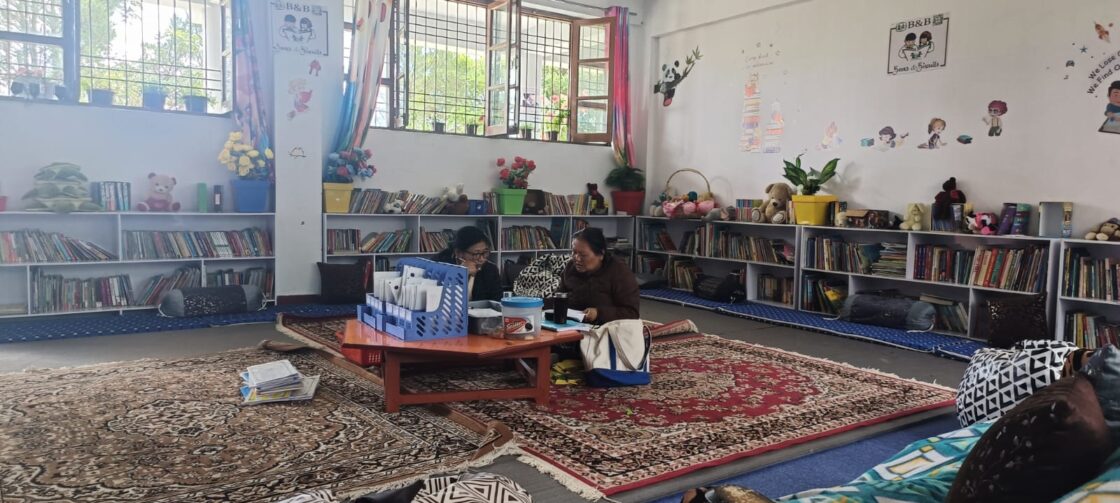
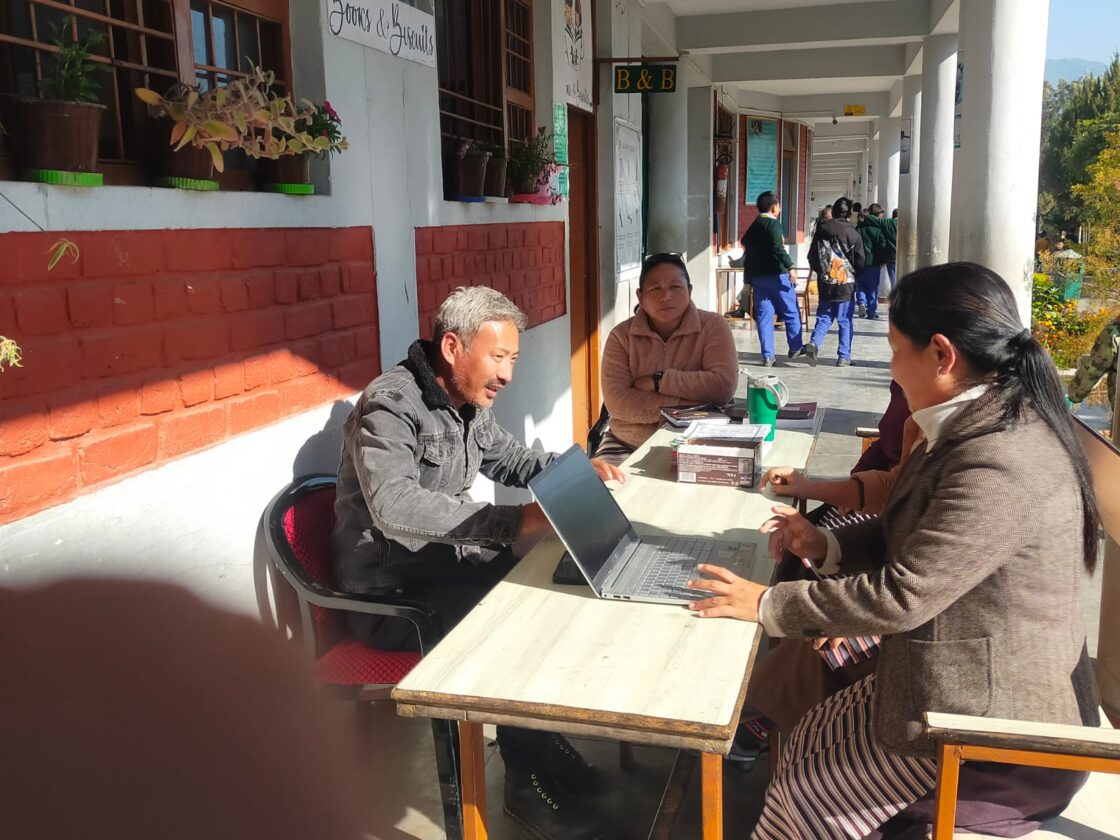
• Accountability and Presentation: We began by building a structured foundation. Mr. Tenzin Dhondup took the lead on professional presentation by preparing the book cover for display, while Mrs. Tenzin Dolma established a ‘Special Corner’ in the main corridor.
• Outcome: This required us to coordinate our schedules and take ownership of a shared public space, developing our skills in committee synchronization.
2. Adaptability & Peer Learning (May – June)
One of our biggest areas of growth was learning how to balance our TPD with the school’s busy calendar.
• The Writing Festival: During this period, teachers collaborated to analyze ‘student taste’ and interests in writing. This acted as a form of action research, where we learned to adapt our prompts to increase student engagement.
• Refining the Process: Based on our reflections in June, we realized that posting content twice a week was more effective than three times. This showed our ability to evaluate our own work and make data-driven changes for better impact.
3. Integration & Event Planning (August – September)
We successfully integrated our personal development with school-wide operational needs.
• Application of Skills: We used TPD time to plan English Day. This was a practical application of the cooperation and dialogue skills we practiced during our book discussions. We managed large-scale activities while keeping our “reading and posting” project active in the background.
4. Moving Toward Reflective Practice (October – November)
The final phase of our TPD saw a shift from ‘doing’ to ‘reflecting.’
• The Sharing Circle: We began a new tradition where the teacher in charge of the week’s reading shares their insights with the group before the session starts. This has significantly built our confidence in speaking and listening as professionals.
• Pedagogical Discussion: We now spend time discussing classroom ‘energizers’ and student reactions, bridging the gap between teacher development and classroom joy.

III. 2026 Program Planning & Continuity
Having built a strong foundation of teamwork this year, our committee has spent the November sessions planning a 2026 program that focuses on:
• Interest and Confidence: Moving toward Elocution, Debates, and Extempore to help students ‘face the world.’
• Academic Foundation: A systematic focus on the ‘Three Forms of Verbs’ across all grades.
• Recognition: Celebrating ‘Best Readers and Writers’ to maintain the interest we’ve built.
• The Model-First Strategy: Teachers will provide a ‘Model Display’ on the corridor boards for one week before students put up their own work.
IV. Conclusion and Key Outputs
The 2025 TPD period has resulted in several tangible outputs for the English Committee:
1. A Shared Pedagogical Toolkit: We have developed a collection of ‘energizers’ and reading strategies that all department members can now use.
2. Visible Teacher Leadership: By establishing the ‘Special Corner,’ we successfully shifted the perception of teachers from ‘instructors’ to ‘active learners.’
3. Team Coordination: The successful coordination between different grade-level teachers (Primary through Senior) has created a more unified English curriculum.
4. Value-Integrated Teaching: We successfully proved that academic English can be taught effectively while honoring the life and legacy of His Holiness.
Our TPD this year has transformed the English Department into a more reflective and collaborative unit. We are no longer working in isolation; we are a team of professionals committed to modeling the confidence and curiosity we wish to see in our students.

Submitted by: Tsering Lhakit

Teacher Professional Development ( Social Dept 2025)

Report on Teacher’s Professional Development (T.P.D) Programme 2025
Name of the Community: Social Science Committee
No of members: 3
Duration: March – December

Aims and Objectives:
i) To strengthen teacher’s teaching learning process and enhance effective class room strategies.
ii) To deepen the understanding of practical teaching methods and improve lesson delivery.
iii) To learn how to create impactful and meaningful PPT presentations in Tibetan language to support classroom instructions.
iv) To develop Tibetan handwriting skills using the Tibetan Calligraphy Notebook published by the Department of Highter Tibetan Studies, Dharamsala (Book N0. 3 and 7)
v) To understand and discuss the importance and usage of Indian political, geographical and physical features, and to appreciate India’s culture diversity, regions and ranges with enthusiasm.
vi) To improve Tibetan typing and handwriting skills as part of continuous skills as part of continuous professional development.
Activities Conducted:
i) A total of six (6) periods were dedicated to Tibetan handwriting and Tibetan typing practice throughout the year.
ii) Teachers’ calligraphy and handwriting sessions were conducted using standard reference books to ensure uniformity and accuracy.
iii) Members engaged in discussions on the significance of teaching Indian Geography, Political features and culture diversity class levels.
iv) We discussed and went practical experienced in use of Stencils with all the class levels from class VI to X.
Major Topics Discussed by the Committee during the session.
1. Social Science board class wise rotation to ensure equal distribution of teaching responsibilities.
2. Friday class wise Social Scient presentation to encourage students’ confidence, leadership and subject understanding.
3. Common lesson observation for peer learning and improving classroom techniques and class room management.
4. Review of the current Social Science textbooks for class VI

Teachers Professional Development (Science Dept 2025)

Teachers Personal Growth Development 2025 Report
Science Department
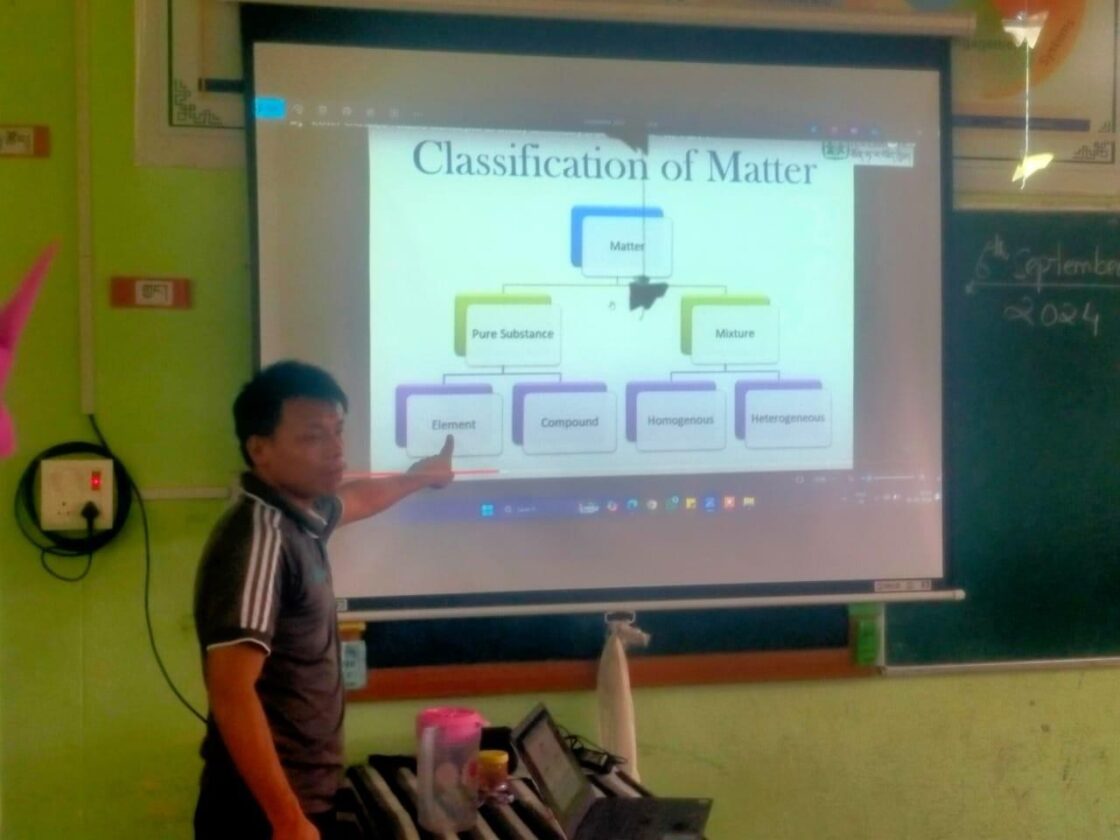
Following are the details of TCV School Chauntra Science Department TPD session 2025.
• TPD Hours: Every day 3 fifth period.
• How TPD was conduct: (To discuss, plan and execute)
a. The department annual programs listed in school diary.
– STEM activity program for classes 6-10 on April 28th, 2025
– Science and Mathematics Day, 15th September, 2025.
-To collect the questions for the mega quiz.
-To publish Science Hour Magazine, 2025.
b. The school science related programs of JNSMEE, Science Centre and Department of Education, CTA.
– Participate in CTA National Level Selected JNNSMEE Exhibition. (7th July, 2025)
– ‘Natural Science through Art 2025’
-CTA Level Science and Mathematics Exhibition on 18th July, 2025
-City Level Science Drama Contest on 7th November, 2025
c. To improve the science lab Activity
-Set time table for the class to visit.
-To upgrade the science lab by buying required items by analysing and collecting various quotations. (21st October, 2025)
d. Peer Discussion on the 14th Dalai Lama Science related notebook
-Universe in Single Atom
-Ethics for the new Millennium.
e. Peer Lesson Observation:
-although this program was planned in the month of November, 2025, we couldn’t be able to execute it due improper timing.
Submitted by,
Department Head ( Mr.Tenzin Dawa)

Teacher Professional Development Program Concluding Day was held on 29th August, 2023.

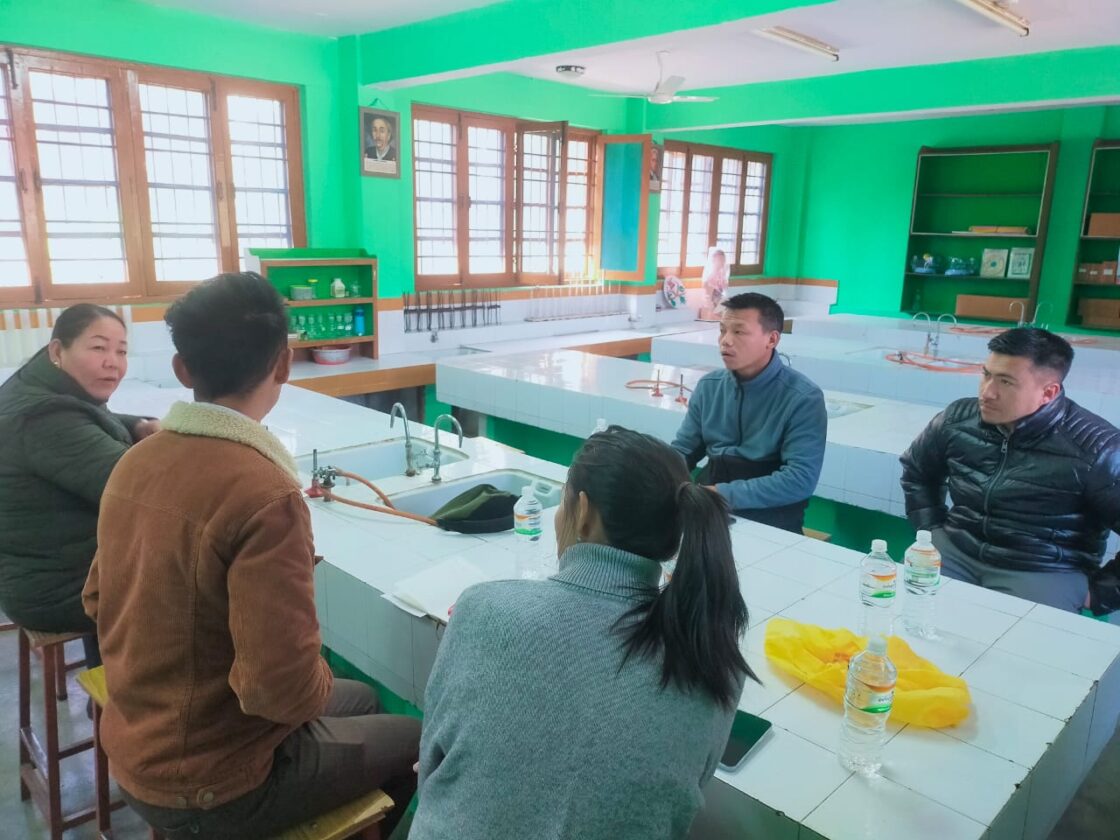
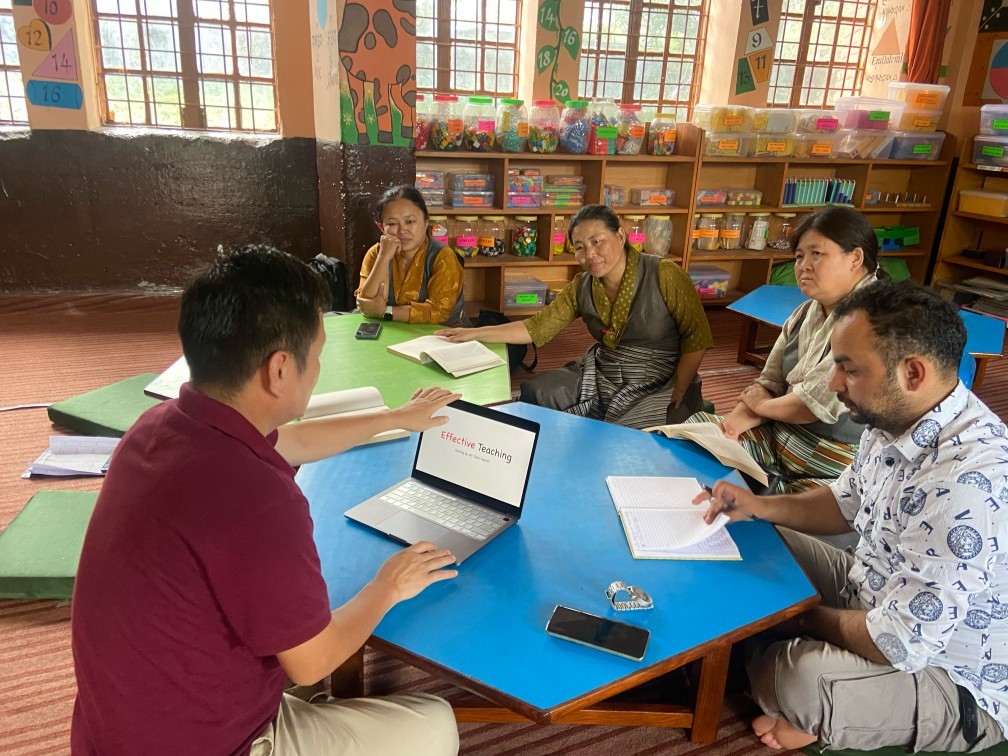
The teachers teaching the five main subjects gathered together in their respected department; Tibetan, Science, Social Science, English and Math and shared and summarized the annual Teacher Professional Development Program.

The attendees were served with tea and snacks during the session and also served a special lunch funded by the (DoE) Department of Education, CTA.

TCV School Chauntra: PGPs and Collaborative Practices

Leadership of the School Principal Mr. Choeying Dhoundup la and the Headmaster Mr. Dawa Gyatso la and the Assistant Headmaster Mr. Karma Tashi la, the school is successfully implementing the project. The teachers are given the choice of choosing either PGP or Collaborative so that whatever the teachers chose will be more quality based. The project started with the Orientation and a workshop by Mr. Kalsang Wangdue la followed by the implementation phase. Right now, most of the Lesson Study groups had their third cycle. The School had set two separate periods of 30 minutes on Tuesday and Wednesday during which the teachers of both the Junior and Senior Sections do their PGPs or Collaborative Practices. The Teachers’ Reading corner had been successfully installed in the staff room itself for the teachers to get easy access. The log book has been maintained and the books borrowed are always entered. The books are borrowed by the teachers for their PGPs and Collaborative practices.

Annual Professional Growth Plan (PGP):

Some of the teachers had decided to do PGP this year. Right after the Orientation, they decided their own PGPs and submitted to the school head. The teachers worked on their own PGPs whenever they get free time apart from the two special periods. Some of the PGPs the teachers have are: To prepare an Anecdotal Report of students; to do case study of three focus students. During the course of their PGP process, they documented their progress, obstacles etc. One to one meeting with the teachers about their PGPs was done by the TPD and Curriculum Officer, Mr. Kalsang Wangdue la during his school visit.

Collaborative Practices in the School:

Both the junior and Senior Sections have their own collaborative practices namely Book Discussion and Lesson Study Groups. The groups met during their PGP periods and followed the process properly.

Tibetan Teachers’ Book Discussion:

The teachers teaching Tibetan Subject in both the sections unanimously decided to do Book Discussion as a part of their Collaborative practice. There were around 12 teachers including the Religious Teacher. The book they discussed on was the popular Tibetan book by Khenpo Lodoe, “Dus-Rab-Kyi- Ngada”. The teachers met during their TPD period and discussed the book thoroughly. The plan had already been laid to share the main gist with rest of the teachers in coming week. PPT of the discussion is coming soon.

English Book Discussion Group:

A group of three teachers including the school Librarian had formed their own group to study and worked on a book review. The book they were discussing was “Positive Discipline”. The teachers regularly met and discussed on the book with additional materials available in the school library. They had prepared some charts carrying wordings on Positive discipline. They also planned to publish one small booklet containing the main gist of the book, to be later distributed to various schools.

Lesson Study Groups:

Both the Junior and Senior section have Lesson Study Groups on two subjects namely:

English (Senior and Junior) :

The Senior teachers had prepared a detailed sample lesson plan for Notice Writing for class V – VI. They also worked with the Junior English teachers and prepared a class VI lesson “Kite” which they shared with rest of the TCV English teachers recently. The Junior English teachers comprising of 3, worked on Non-Fiction writing. They had collected mentor text on topics related to animals. They were now working on preparing a sample lesson plan.

Mathematics (2 juniors and 1 senior):

The two junior Maths groups had their teaching instruction in Tibetan Language. They had worked together and prepared a lesson on Word Problem and Fraction respectively. The senior Math teachers comprising of 4 teachers had prepared a lesson plan on Parallel Lines and Transversal of class VIII. All the groups had completed the full cycle of the lesson Study and they were on their way to their third round. The lesson Plans would be soon uploaded. During the interaction with these groups, they shared their processes and the obstacles they had encountered.

TPD kicked off at TCV Chauntra 

TCV School Chauntra held an official function to kick off school-based Teacher Professional Development (TPD) programs for the 2015 school year. The school has close to 50 teachers and educators who will engage themselves in a variety of teacher-directed collaborative practices to foster their professional growth. The function was led by the school Principal Mr. Choeying Dhondup and the Headmaster Mr. Dawa Gyatso, and participated by all the teachers. Teachers shared their collaborative as well as individual professional growth plans and engaged themselves in dialogue to further explore topics chosen for this year.

The school’s TPD programs include a number of teachers’ book clubs and lesson study teams. Besides, every teacher is working on an annual professional growth plan (PGP). Teachers have selected following professional literature to read and discuss.

There are two lesson study teams – Social Studies group and English language group – and they will work on a research lesson by following the lesson study cycle

  1. design
  2. enact
  3. reflection/re-design,
  4. re-enact,
  5. reflection/summarization.

The school has created two extra periods per week for teachers to work in their collaborative group and pursue their plan. The school will conclude TPD programs in the month of October.